
CALL US TODAY FOR BEST PRICES, FAST QUOTES AND GREAT DISCOUNTS: 1300 404 226
CALL FOR BEST PRICES: 1300 404 226
Skip to content

Filters

Carpet Drying Equipment

Water damage moves fast. The longer moisture sits in carpet, subfloor, or walls, the higher the risk of mould, structural damage, and costly remediation work. Getting the right drying equipment on site quickly is what separates a clean recovery from a much bigger problem.

We stock professional carpet drying and restoration equipment — air movers, dehumidifiers, and carpet extractors — from XPOWER, Rensair, and Steamvac, suited to restoration specialists, cleaning contractors, and property maintenance teams across Australia. Not sure what you need for the job? Give us a call or use the live chat and we'll help you spec the right kit.

Choosing the Right Carpet Drying Equipment — A Practical Guide for Restoration Professionals

Carpet drying isn't a single-machine job. Effective moisture removal requires a staged approach — extraction first, then airflow, then humidity control — and the right equipment at each stage. Getting one stage wrong slows down the whole process and increases the risk of secondary damage.

Here's how to think through each stage and what to look for in the equipment you use.

Stage 1 — Water Extraction

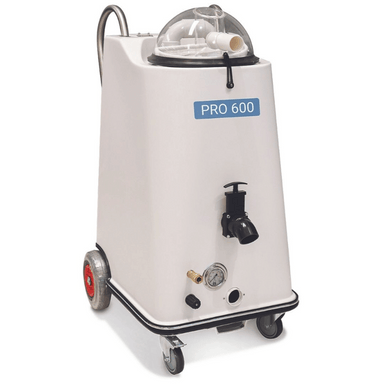
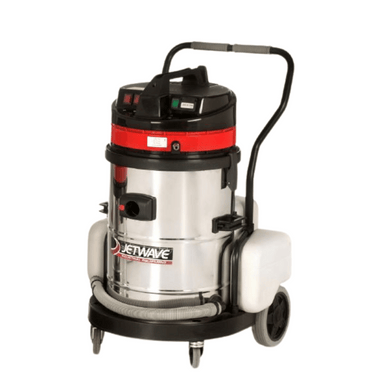
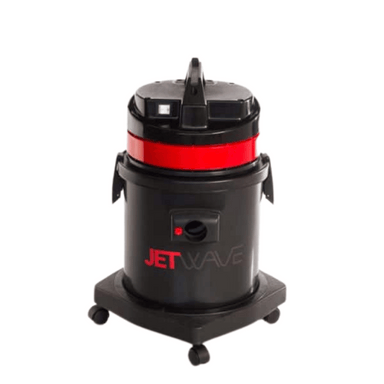
Before air movers or dehumidifiers can make any meaningful difference, the bulk of the standing water needs to come out. A professional carpet extractor with strong vacuum suction and large recovery tanks does this far more effectively than a standard wet and dry vacuum. Look for dual or triple motor configurations that deliver serious water lift — this determines how much moisture you can pull from deep in the carpet pile and underlay rather than just the surface. Large tanks — 35 litres or more — mean fewer stops to empty, which keeps the job moving. For restoration work specifically, a heated extractor also cleans contamination from the carpet at the same time as removing moisture, which matters when flood water carries debris or bacterial contamination.

Stage 2 — Air Movement

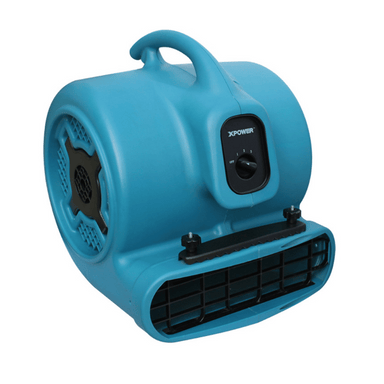
Once bulk water is removed, air movers accelerate evaporation by moving large volumes of air across damp surfaces. The goal is cross-flow ventilation — air movers angled to lift moisture off the carpet and into the air where dehumidifiers can capture it. A practical starting guide is two to four air movers per average-sized room, adjusted for carpet thickness and saturation level. Centrifugal air movers are compact and stackable, well suited for directing airflow under lifted carpet sections or into wall cavities. Axial models produce a wider airflow spread for open corridors and larger commercial spaces. Professional units include daisy-chain power outlets so multiple units run from a single circuit without extension cord management becoming a problem.

Stage 3 — Humidity Control

Air movers lift moisture into the air — but without a dehumidifier running simultaneously, that moisture resettles on other surfaces rather than being removed from the environment. For professional restoration work, Low Grain Refrigerant (LGR) dehumidifiers are the standard choice. They maintain efficiency at lower humidity levels — down to 20% RH — which is exactly where the final stages of a drying job operate. Standard refrigerant dehumidifiers lose efficiency as humidity drops and aren't suited to restoration work. A practical setup is one LGR dehumidifier per two to three air movers, positioned away from walls with a drain hose connected for continuous operation. The XPOWER XD-85LH is a strong choice in this category — 41 litres per day at AHAM conditions, auto-purge pump, and a 12.2m drain hose that gives enough reach to drain without repositioning the unit.

Stage 4 — Air Purification and Mould Prevention

Even after carpets feel dry to touch, moisture trapped in underlay or subfloor can still support mould growth. HEPA air scrubbers and air purifiers running alongside the drying process filter airborne mould spores, bacteria, and fine particulates that circulate during restoration work. For sensitive environments — healthcare facilities, aged care, homes with vulnerable occupants — this step isn't optional. The Rensair system combines H14 HEPA filtration with UV-C disinfection, which neutralises trapped pathogens rather than simply capturing them. Foggers and antimicrobial sprayers are used after drying is complete to treat residual contamination and odour.

The Complete Kit — How It Works Together

Each piece of equipment solves one part of the problem. Running them together is what delivers fast, complete results with no callbacks:

  1. Carpet extractor — removes bulk water from fibres and underlay
  2. Air movers — drive evaporation from damp surfaces into the air
  3. LGR dehumidifier — captures airborne moisture before it resettles
  4. HEPA air purifier — filters contaminants and prevents mould taking hold
  5. Fogger or antimicrobial sprayer — treats residual contamination on completion

If you're putting together a drying kit and want to confirm the right combination for your typical job size, give us a call on 1300 404 226 — we're happy to help you spec it before you order.

Frequently Asked Questions — Carpet Drying Equipment

How quickly does mould develop after water damage?

Mould can begin developing within 24 to 48 hours in warm, humid conditions — which is the environment water damage creates. The first 24 hours are the most critical window for starting the drying process. Every hour of delay increases the risk of mould taking hold in carpet, underlay, and subfloor materials. This is why having the right equipment on site and running quickly is the single biggest factor in determining whether a carpet can be saved or needs to be replaced.

How many air movers do I need for a standard sized room?

A practical starting guide is two to four air movers per average-sized room — around 20 to 30 square metres. Adjust up for thicker carpet, higher saturation levels, or rooms with limited airflow. Air movers should be positioned to create cross-flow ventilation — angled to push moisture off the carpet and into the air rather than simply blowing across the surface. For underlay drying, lift sections of carpet and direct air movers underneath at low angles. For larger commercial spaces or open-plan areas, scale up proportionally and consider axial models with wider airflow spread.

What is an LGR dehumidifier and why does restoration work require one?

LGR stands for Low Grain Refrigerant — a refrigerant system specifically engineered to maintain extraction efficiency at lower humidity levels, down to around 20% relative humidity. Standard refrigerant dehumidifiers lose effectiveness as humidity in the room drops, which means they stop working efficiently precisely when you need them most — in the final stages of a drying job. LGR units keep extracting moisture effectively through the entire drying process. For professional restoration work, a standard dehumidifier is not adequate — an LGR unit is the industry standard for a reason.

How long does professional carpet drying take?

With professional equipment running — extractor, air movers, and LGR dehumidifier — most carpet drying jobs take between 24 and 72 hours depending on the level of saturation, the carpet and underlay type, and ambient conditions. Heavily saturated underlay and subfloor takes longer than surface-level carpet wetting. Maintaining room temperature between 20 and 27 degrees Celsius improves both evaporation rate and dehumidifier efficiency. Using a moisture meter to track progress and confirm when carpet and underlay are genuinely dry — rather than just dry to touch — is the professional standard for signing off a job.

Do I need a HEPA air purifier for carpet drying jobs?

For residential drying jobs with no contamination concerns, a HEPA air purifier is optional but recommended — particularly in homes with young children, elderly occupants, or anyone with respiratory sensitivities. For any job involving contaminated flood water, sewage backup, or known mould presence, HEPA air filtration is essential. It filters airborne mould spores and bacteria that circulate during the drying process and prevents them from settling on other surfaces or being inhaled by occupants and workers. For healthcare, aged care, and commercial facilities, HEPA air purification during restoration work should be considered standard procedure.

Can I use a standard wet and dry vacuum instead of a carpet extractor?

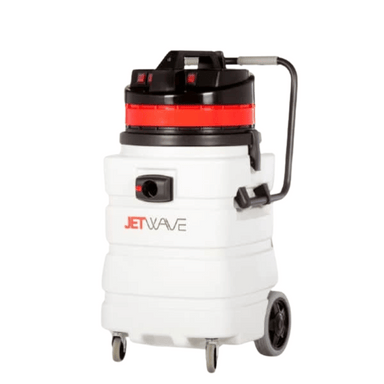
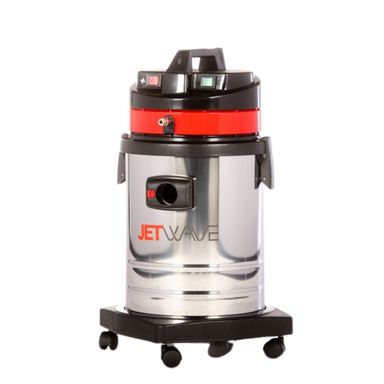
A wet and dry vacuum can remove standing water from hard surfaces effectively, but it's not a substitute for a carpet extractor in restoration work. Carpet extractors are specifically designed to pull moisture from deep within carpet fibres and underlay — not just the surface. They deliver controlled water or solution pressure into the pile and extract it with high-powered vacuum suction, achieving a level of moisture removal that a wet and dry vacuum simply cannot match. For flood restoration where the underlay is saturated, a professional carpet extractor is the right tool for the initial extraction stage.

What equipment do I need for a complete water damage restoration kit?

A professional water damage restoration kit typically includes: a carpet extractor with strong vacuum suction and large recovery tanks for initial water removal; two to four air movers per room for evaporation; one LGR dehumidifier per two to three air movers for humidity control; a HEPA air purifier for airborne contamination control; and a fogger or antimicrobial sprayer for treatment on completion. A moisture meter for monitoring progress is also essential professional kit. We stock all of these equipment categories — give us a call and we can help you put together the right combination for your typical job size and budget.


Aussie Wide Shipping

Fast and competitive

Lifetime Support

Product lifetime support

Spare Parts

We source spare parts

Buying in Bulk?

Request a quote