
CALL US TODAY FOR BEST PRICES, FAST QUOTES AND GREAT DISCOUNTS: 1300 404 226
CALL FOR BEST PRICES: 1300 404 226
Skip to content

Filters

Industrial Vacuum Cleaners

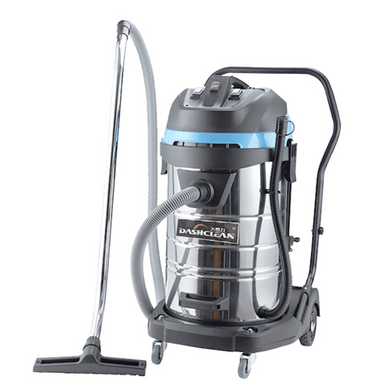
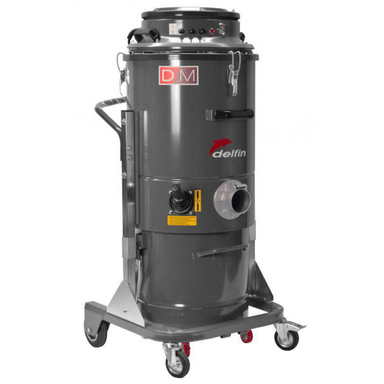
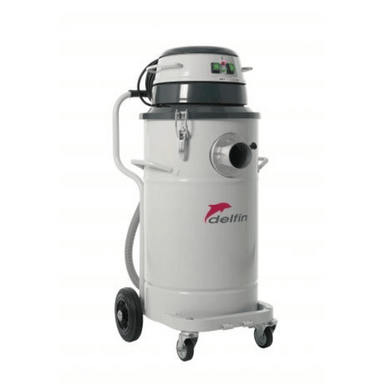
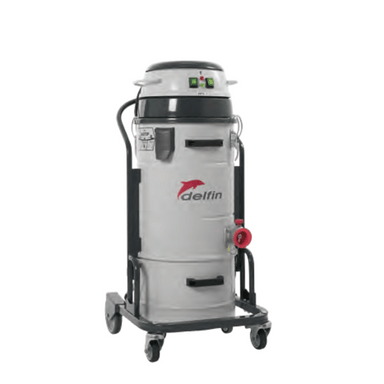
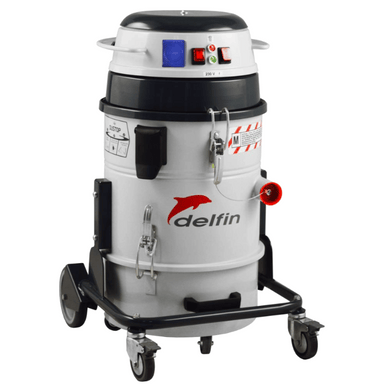
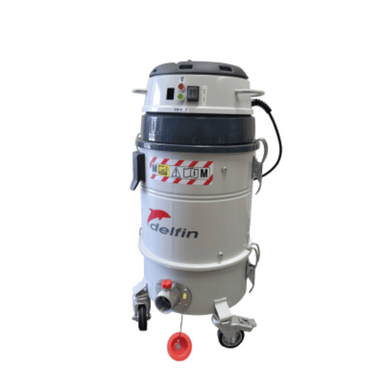
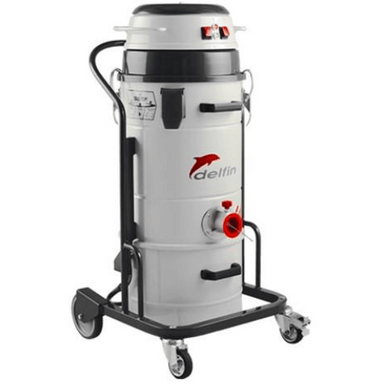
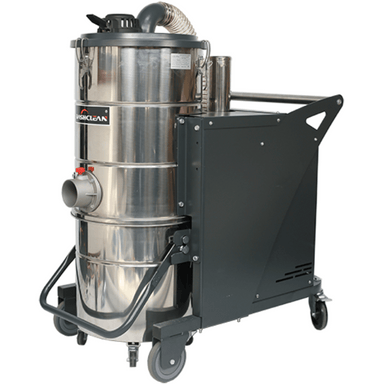
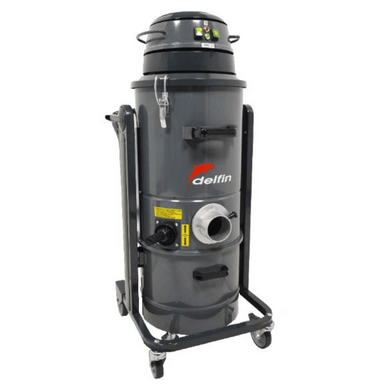
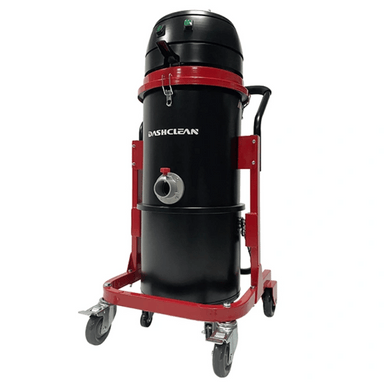
An industrial vacuum cleaner is a different class of machine to a commercial one. Steel construction, continuous duty cycles, and filtration rated for fine and hazardous dust — built for factories, workshops, food production and construction sites where a standard machine burns out inside a year.

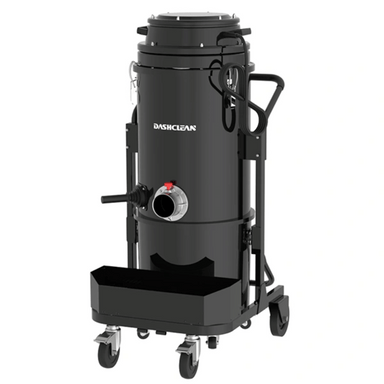
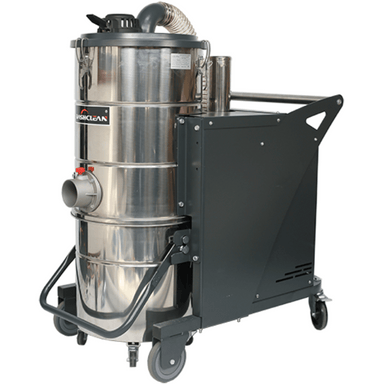
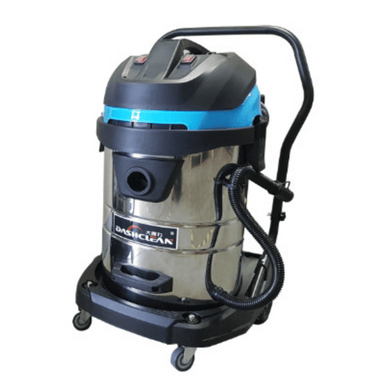
The range covers single phase, three phase and pneumatic configurations from Delfin, Dashclean and Tennant, with multi-stage filtration including HEPA and ULPA options.

What makes an industrial vacuum different to a commercial one?

It comes down to duty cycle, construction and filtration. A commercial vacuum is rated for cleaning rounds — an hour or two at a time, dust and light debris, plastic housing. An industrial vacuum runs continuously, picks up material that would destroy a commercial motor, and filters particles a standard cartridge lets straight through. Running a commercial machine on an industrial duty cycle causes premature failure regardless of the specification on the box.

Single phase or three phase power

Your site's power supply narrows the range immediately.

  • Single phase runs on a standard 240V outlet so you can move the unit between sites and sheds without an electrician.
  • Three phase delivers sustained motor power without heat build-up so the unit holds full suction through continuous shifts.
  • Pneumatic runs on compressed air with no electric motor so it suits sites where electrical ignition sources are restricted.

Most workshops and light industrial sites run single phase. If you're extracting continuously across a full shift and three phase is available, it's the specification that lasts.

Handling fine dust and HEPA filtration

Fine dust is a filtration problem, not a suction problem. A powerful motor with the wrong filter pushes respirable particles straight back into the workspace — the vacuum looks like it's working while the air quality gets worse.

  • Multi-stage filtration captures coarse debris before it reaches the main filter so the filter stays clear and suction holds for longer.
  • HEPA filtration captures 99.95% of particles at 0.3 microns so respirable dust stays in the machine rather than recirculating.
  • ULPA filtration goes finer again so it suits pharmaceutical, food production and cleanroom environments with tighter air quality requirements.

For regulated materials — silica, and similar hazardous dusts — the dust class rating matters more than the motor. Check the certification against your WHS requirement before you order.

Wet, dry and heavy debris pickup

Industrial wet and dry units handle liquid, slurry and solid debris without swapping equipment. Tank capacity and water lift are the two specifications that decide real-world performance.

  • Stainless steel tanks resist corrosion from coolant, slurry and chemical residue so the unit survives environments that pit a plastic drum.
  • High water lift pulls liquid through long hose runs so you can recover spills from a distance without repositioning the machine.
  • Multi-motor configurations maintain airflow across larger tanks so extraction performance doesn't drop as capacity goes up.

Duty cycle and build for continuous use

Industrial machines are specified around hours, not tasks. Steel bodies, serviceable motors, and filter systems designed to be cleaned rather than replaced. That's why the purchase price sits higher and the cost per operating hour sits lower — the machine is still running when its third commercial replacement would have been due.

Frequently asked questions

Do I need a single phase or three phase industrial vacuum?

Single phase runs on a standard 240V outlet and suits most workshops and light industrial sites. Three phase delivers sustained power for continuous, high-volume extraction where the supply is available. Match it to your site's power and how long the machine runs at a stretch.

Which industrial vacuum is best for fine dust?

Fine dust needs the right filtration class, not just suction. Look for multi-stage filtration with a HEPA or ULPA final stage. For regulated hazardous dust, the machine needs the correct dust class certification — confirm the rating covers the material you're extracting before ordering.

When do I need an industrial vacuum rather than a commercial one?

When the application involves continuous duty cycles, regulated hazardous materials, explosive atmospheres, or debris that would damage a standard machine. Factories, food processing, pharmaceutical facilities and construction sites with silica exposure are the common cases. For cleaning rounds across offices, hospitality and retail, a commercial vacuum cleaner is the right specification.

Can an industrial vacuum pick up both wet and dry material?

Most industrial units in this range handle both. Wet and dry models use a stainless tank and a float shut-off so liquid recovery doesn't reach the motor. Check the tank capacity against the volumes you deal with — undersized tanks mean constant emptying on liquid jobs.

What industrial vacuum brands do you stock?

Delfin for steel-bodied continuous duty units across single phase, three phase and pneumatic configurations. Dashclean for three phase wet and dry extraction at a lower entry point. Tennant for high-capacity multi-motor wet and dry recovery. Give us a call with your application and we'll compare specific models.

Aussie Wide Shipping

Fast and competitive

Lifetime Support

Product lifetime support

Spare Parts

We source spare parts

Buying in Bulk?

Request a quote