

CALL US TODAY FOR BEST PRICES, FAST QUOTES AND GREAT DISCOUNTS: 1300 404 226
CALL FOR BEST PRICES: 1300 404 226
Skip to content

Filters

Cold Water Diesel Industrial Pressure Washers

Diesel pressure cleaners are built for one situation specifically — serious cleaning work where there's no power outlet within reach. Construction sites, farms, transport depots, and mining operations are the most common applications, and the machines are designed around those demands. High-pressure output, self-contained fuel supply, extended run-times, and frames built to handle rough transport and tough environments.

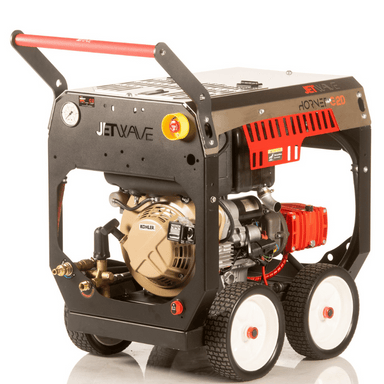
We stock cold water diesel pressure cleaners from Jetwave suited to cleaning machinery, earthmoving equipment, concrete yards, trucks, and rural infrastructure. Give us a call if you need help matching the right PSI and flow rate to your application.

Choosing the Right Cold Water Diesel Pressure Washer — What to Know Before You Buy

Cold water diesel pressure cleaners are purpose-built for demanding outdoor and remote applications. But not all diesel machines are the same — the key specifications that determine whether a machine suits your workload are PSI, flow rate, and duty cycle. Getting these right matters more than brand or price.

PSI and Flow Rate — The Two Numbers That Matter Most

PSI measures cleaning pressure — how hard the water hits the surface. Flow rate (measured in litres per minute or GPM) measures how much water the machine moves. Both matter, but for different reasons. Higher PSI cuts through ingrained contamination like compacted mud, grease, and bitumen residue. Higher flow rate covers ground faster and flushes debris away more effectively on large open surfaces. For heavy machinery and earthmoving equipment, you need both — typically 3000 PSI and above with a flow rate of 15 LPM or more for serious results. For general truck washing and yard cleaning, slightly lower specs do the job at lower fuel consumption.

Duty Cycle — How Hard Will You Run It?

Duty cycle refers to how continuously a machine can operate before needing a rest period. Consumer and light commercial machines have duty cycles of around 50–70% — they need rest intervals between extended use. Professional and semi-industrial machines like the Jetwave range are built for higher duty cycles suited to commercial operations running the machine regularly across full working days. If you're running a pressure cleaner hard on a job site, this is a more important specification than PSI alone.

Cold Water vs Hot Water Diesel

Cold water diesel machines are the practical choice for most outdoor applications — general dirt, mud, dust, concrete residue, and surface contamination all clean effectively with cold high-pressure water. Where cold water falls short is on grease, oil, and biological contamination — heat breaks these down significantly faster. If your primary application involves cleaning greasy machinery, food processing equipment, or heavily oil-contaminated surfaces, a hot water diesel unit is worth the additional investment. For everything else, cold water does the job at lower running cost and simpler maintenance.

Frame and Portability

On construction sites, farms, and remote locations, pressure cleaners take physical punishment — loading and unloading from utes and trailers, operating on uneven ground, and exposure to dust, mud, and weather. Look for machines with robust powder-coated steel frames, tie-down points for secure transport, and pneumatic tyres for movement across rough terrain. The Jetwave range is designed specifically for Australian site conditions — frames and fittings built for transport and rough use rather than sitting in a clean shed.

Not sure which model suits your application, PSI requirement, or duty cycle? Give us a call on 1300 404 226 — we're happy to help before you order.

Frequently Asked Questions — Cold Water Diesel Pressure Cleaners

What is the advantage of diesel over petrol for pressure cleaners?

Diesel engines are more fuel-efficient than petrol under sustained load — they use less fuel per hour of operation when running continuously, which matters on large jobs or extended cleaning sessions. Diesel fuel is also generally more readily available on farms and construction sites where bulk storage tanks are common. The trade-off is higher upfront cost and slightly more complex servicing requirements. For occasional or light use, petrol is often the more practical choice. For daily or high-frequency commercial use, diesel typically pays for itself through fuel savings over time.

What PSI do I need for cleaning heavy machinery and earthmoving equipment?

For heavy machinery, earthmoving equipment, and compacted site contamination, 3000 PSI and above with a flow rate of 15 LPM or more gives you the combination of pressure and volume needed to cut through ingrained mud, grease, and built-up debris effectively. Lower PSI machines will clean lighter surface contamination but struggle with heavily soiled equipment that's been in operation for extended periods. For fleet vehicles and trucks with general dirt and road grime, 2500–3000 PSI does the job well at lower fuel consumption.

Can cold water diesel pressure cleaners remove grease and oil?

Cold water pressure at high PSI can shift surface grease and oil, particularly when used with a degreaser chemical through the machine's downstream injector. However, for heavily oil-contaminated surfaces — engine bays, workshop floors with oil buildup, and equipment with months of grease accumulation — hot water makes a significant difference. Heat breaks down oil and grease at a molecular level, reducing cleaning time substantially. If degreasing is your primary application, a hot water diesel unit is worth considering. For general site cleaning that includes some grease, a cold water machine with downstream chemical injection handles most situations.

Are Jetwave diesel pressure cleaners suitable for mining and remote site use?

Yes — the Jetwave range is designed and assembled in Australia with remote and demanding site conditions specifically in mind. Robust steel frames with tie-down points handle transport on rough roads and loading onto vehicles. The machines are built for high-frequency commercial use at the duty cycles mining and large site operations require. Parts and service support are available locally, which matters when a machine needs attention on a remote site and you can't afford extended downtime waiting for overseas parts.

What maintenance does a diesel pressure cleaner require?

Regular maintenance on a diesel pressure cleaner covers the engine and the pump separately. Engine maintenance includes oil changes at the manufacturer's specified intervals, air filter checks, and fuel filter replacement. Pump maintenance includes checking and replacing pump oil, inspecting seals and O-rings, and flushing the pump with clean water after use in sandy or muddy environments. Machines used in dusty or heavily contaminated environments need more frequent filter checks. Running the machine on clean water for a few minutes at the end of each job extends pump life significantly. Always refer to the specific model's manual for service intervals.

What accessories are worth getting with a diesel pressure cleaner?

The accessories that make the most practical difference on site are a turbo nozzle for stubborn contamination on flat surfaces, a surface cleaner for large concrete areas like yards and floors, and a downstream chemical injector for applying degreasers before rinsing. A longer high-pressure hose is worth considering if you're cleaning large vehicles or equipment where the machine can't be moved close to the work area. Most Jetwave machines come accessory-ready and are compatible with these additions out of the box.

How do I choose between cold water diesel and hot water diesel?

Cold water diesel suits most general outdoor cleaning — mud, dirt, dust, concrete residue, and general site contamination. It's simpler to maintain, lower running cost, and the right choice for the majority of agricultural, construction, and transport depot cleaning applications. Hot water diesel suits applications where grease, oil, food contamination, or biological matter is the primary challenge — the heat breaks these down significantly faster than cold water alone. If your jobs involve both types of contamination, hot water gives you more flexibility. If they're primarily general site dirt, cold water does the job at lower cost.


Aussie Wide Shipping

Fast and competitive

Lifetime Support

Product lifetime support

Spare Parts

We source spare parts

Buying in Bulk?

Request a quote