
CALL US TODAY FOR BEST PRICES, FAST QUOTES AND GREAT DISCOUNTS: 1300 404 226
CALL FOR BEST PRICES: 1300 404 226
Skip to content

Filters

Crime Scene Cleaning Equipment

Biohazard and crime scene cleanup is specialist work — and the equipment needs to match. Trauma scenes, chemical spills, and property contamination all require tools that can handle hazardous material safely while protecting the operator and containing airborne risks. We stock commercial-grade vacuums, HEPA air scrubbers, ozone machines, and PPE specifically suited to restoration and decontamination work across Australia.

Operators working in this category should be familiar with SafeWork Australia guidelines around biohazard handling, appropriate PPE classifications, and containment requirements before selecting equipment. If you're putting together a kit for this type of work and need guidance on what's required, give us a call — it's a category where getting the right equipment genuinely matters.

Biohazard and Crime Scene Cleaning Equipment — What You Need and Why It Matters

Consumer-grade cleaning equipment isn't built for this work. The combination of hazardous airborne particles, biological contamination, and chemical exposure requires machines with the right filtration ratings, containment capability, and build quality to perform safely under demanding conditions. Using the wrong equipment doesn't just affect results — it creates risk for the operator and anyone in the surrounding area.

Here's a breakdown of the core equipment categories used in professional biohazard and crime scene cleanup, and what to look for in each.

HEPA Air Scrubbers

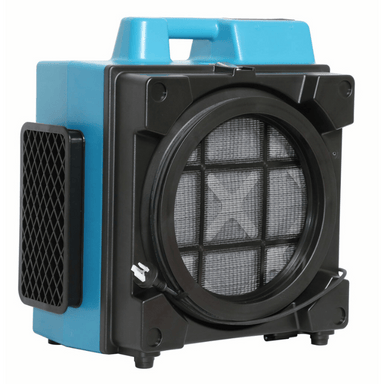
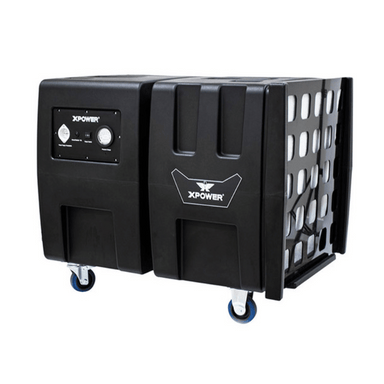
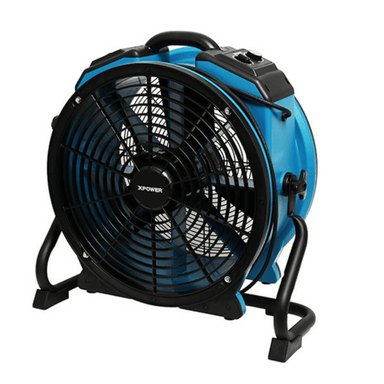
Air scrubbers are essential for controlling airborne contamination during and after cleanup. In biohazard environments, the priority is negative air pressure — running the scrubber to draw contaminated air through the filtration system rather than allowing it to circulate. Look for units with genuine H14 HEPA filtration, which captures 99.995% of particles at 0.3 microns, including biological aerosols and fine chemical particulates. Ductable exhaust outlets allow contaminated air to be directed outside the work area entirely. The XPOWER AP-2000 is a common choice in this category for its high CFM output and ductable design.

Commercial Wet and Dry Vacuums

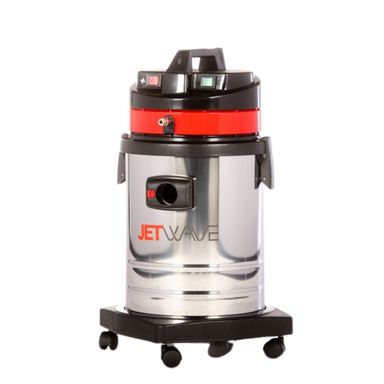
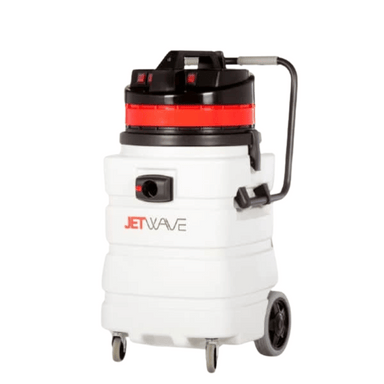
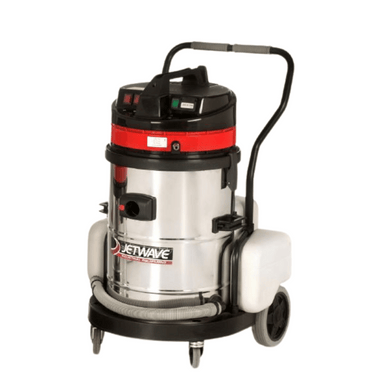
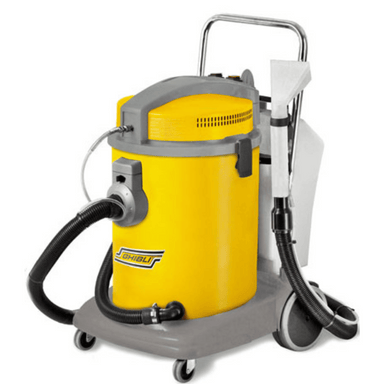
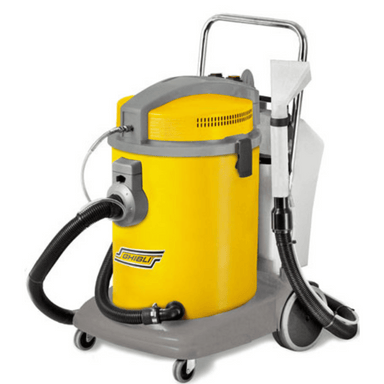
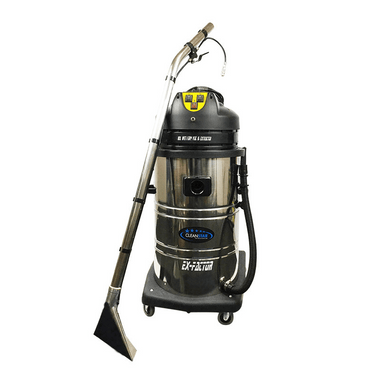
Standard vacuums are not appropriate for biohazard cleanup. You need a machine with sealed filtration, robust construction, and the capacity to handle both solid and liquid waste. HEPA-filtered wet and dry vacuums prevent contaminated particles from being exhausted back into the air during operation. Tank capacity matters — larger tanks reduce the number of times you need to stop and empty, which minimises handling of contaminated material. Stainless steel tanks and fittings are easier to decontaminate between uses than plastic alternatives.

Ozone Machines

Ozone generators are used after the physical cleanup is complete to neutralise odours and residual biological contamination at a molecular level. They're particularly effective in trauma scenes and properties affected by decomposition where odour penetrates walls, flooring, and soft furnishings. Ozone treatment requires the space to be vacated — ozone at effective concentrations is harmful to humans and animals. Treatment time and ozone output need to be matched to the size of the space being treated.

PPE and Respiratory Protection

Operator protection is non-negotiable in this category. At minimum, biohazard cleanup requires disposable coveralls rated to the appropriate standard, nitrile gloves, eye protection, and P2 or P3 respiratory protection for particulate and biological hazard exposure. For higher-risk environments involving chemical contamination, powered air purifying respirators (PAPRs) like the JSP Powercap Infinity provide a higher level of protection and eliminate the fit-testing requirements of tight-fitting respirators. Refer to SafeWork Australia guidelines and your specific hazard assessment before selecting PPE for any job.

Foggers and Antimicrobial Sprayers

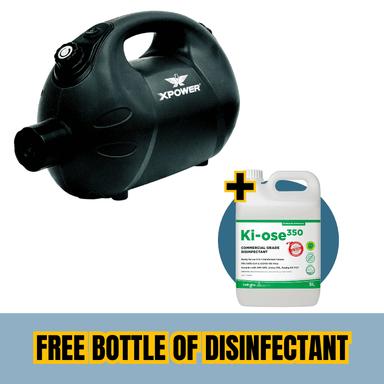
ULV foggers are used to apply antimicrobial and disinfectant solutions across large areas, including surfaces that are difficult to reach manually. In biohazard remediation, fogging is typically done after physical cleanup and before or after ozone treatment depending on the protocol being followed. Battery-powered cordless foggers are practical for crime scene and trauma scene work where mobility matters and power access may be limited.

Frequently Asked Questions — Biohazard and Crime Scene Cleaning Equipment

What filtration rating do I need for biohazard vacuum cleaners?

For biohazard work, H13 or H14 HEPA filtration is the appropriate standard. H14 HEPA captures 99.995% of particles at 0.3 microns — this includes biological aerosols, fine dust, and chemical particulates. The vacuum should also have a sealed filtration system so contaminated air cannot bypass the filter and be exhausted back into the environment. Standard commercial vacuums without sealed HEPA filtration are not suitable for this work.

Do I need a HEPA air scrubber for crime scene cleanup?

In most professional biohazard and trauma scene cleanup operations, yes. Air scrubbers serve two purposes — they filter airborne contamination during the cleanup process, and when set up for negative air pressure they prevent contaminated air from spreading beyond the work area. For enclosed spaces, confined areas, or any scene where airborne biological or chemical contamination is present, a HEPA air scrubber is considered standard equipment.

What PPE is required for biohazard cleanup in Australia?

SafeWork Australia guidelines and individual state WHS regulations govern PPE requirements for biohazard work. At a minimum, most operations require disposable coveralls rated to the appropriate standard, nitrile or heavy-duty gloves, splash-resistant eye protection, and respiratory protection rated for biological and particulate hazards — typically P2 or P3. For higher-risk environments or chemical contamination, additional protection including powered air purifying respirators may be required. Always conduct a site-specific hazard assessment before selecting PPE for any job.

How does an ozone machine work for odour removal?

Ozone generators produce ozone (O3) which reacts with and breaks down odour-causing molecules at a molecular level — including those from decomposition, trauma scenes, smoke, and chemical contamination. Unlike masking agents that cover odours temporarily, ozone eliminates the source. The space must be completely vacated during treatment as ozone at effective concentrations is harmful to humans, animals, and some materials. Treatment time depends on the ozone output of the machine and the size of the space. After treatment the space needs to air out before re-entry.

What is the difference between a PAPR and a standard P2 respirator for biohazard work?

A standard P2 or P3 respirator relies on a tight facial seal to provide protection — any break in the seal, facial hair, or incorrect fit compromises protection. It also requires individual face fit testing to verify it seals correctly for each operator. A powered air purifying respirator (PAPR) like the JSP Powercap Infinity uses a motor to draw air through a HEPA filter and deliver it under positive pressure inside a loose-fitting hood — no face seal required, no fit testing, and compatible with facial hair. For operations where operators work for extended periods or where fit testing compliance is a challenge, a PAPR provides more consistent protection.

Can I put together a biohazard cleanup kit from your range?

Yes — we stock the core equipment categories used in professional biohazard and crime scene cleanup including HEPA air scrubbers, commercial wet and dry vacuums with sealed HEPA filtration, ozone generators, ULV foggers, and PPE including powered air purifying respirators. The right combination depends on the specific type of work you're doing. Give us a call and we can discuss your requirements and put together the right kit before you order.

This is a category where equipment selection has direct safety implications for operators and occupants. If you're setting up for biohazard, trauma, or crime scene cleanup work and want to talk through what's required, call us on 1300 404 226 or use the live chat. We'd rather help you get it right upfront than have you order the wrong equipment for the job.

Aussie Wide Shipping

Fast and competitive

Lifetime Support

Product lifetime support

Spare Parts

We source spare parts

Buying in Bulk?

Request a quote