
CALL US TODAY FOR BEST PRICES, FAST QUOTES AND GREAT DISCOUNTS: 1300 404 226
CALL FOR BEST PRICES: 1300 404 226
Skip to content

Filters

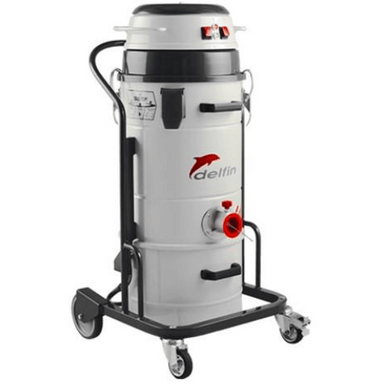
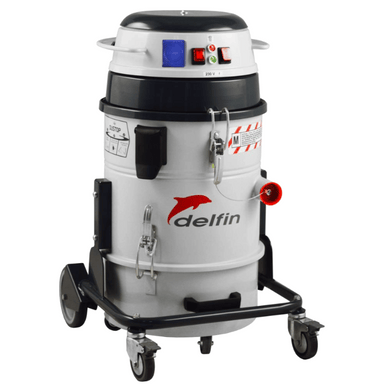
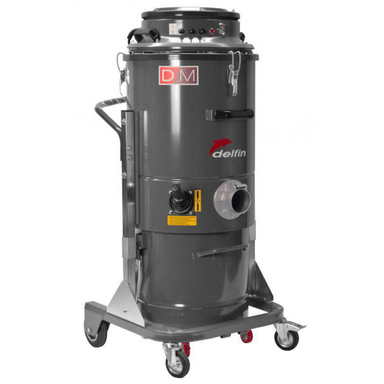
Delfin Industrial Vacuum Cleaners

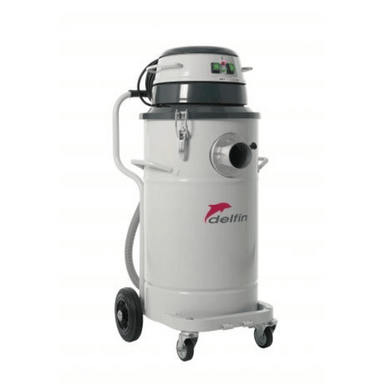
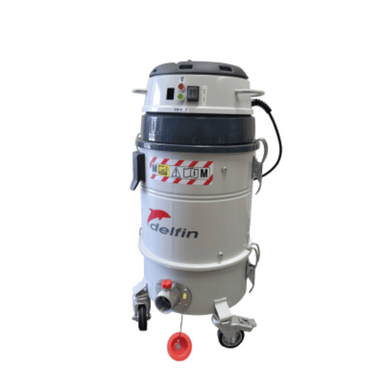
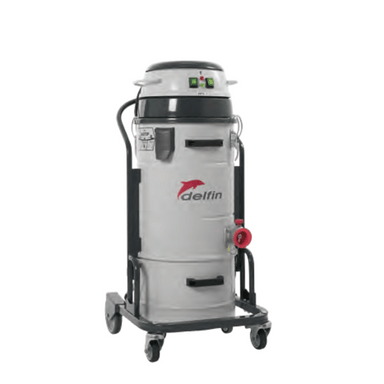
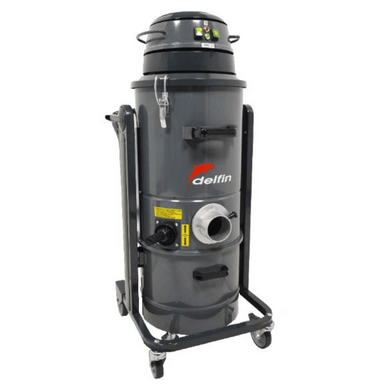
Delfin is an Italian manufacturer with a serious reputation in industrial vacuum technology — and the machines back it up. Built from steel, designed for continuous duty cycles, and available in single-phase, three-phase, and pneumatic configurations, they're engineered for the kind of applications where a standard commercial vacuum would give up within a week. Factories, food processing plants, construction sites, workshops, and hazardous material handling are the core applications. We stock the Delfin range at Oz Cleaning Gear with fast dispatch across Australia — if you need help selecting the right model based on your power supply, material type, or filtration requirements, give us a call before you order.

Delfin Industrial Vacuum Cleaners — Italian Engineering for Australian Industrial Applications

Delfin has been manufacturing industrial vacuums in Italy for decades. The machines are used in factories, pharmaceutical facilities, food processing plants, construction sites, and hazardous material handling environments across the world — environments where the machines run continuously under demanding conditions and where failure is not a manageable outcome.

What Makes Delfin Different from Commercial Vacuums

Continuous duty construction — Delfin units are built for 24-hour operation in demanding industrial environments. The motors, seals, and structural components are specified for this duty cycle. A commercial wet and dry vacuum rated for daily cleaning use will not maintain performance under the continuous extraction demands of manufacturing or construction site applications.

Steel construction — powder-coated steel and stainless steel frames and containers rather than the engineering plastics used in commercial machines. Steel handles the physical demands of industrial sites — rough handling, heavy debris, chemical exposure, and moisture — without the cracking and degradation that plastic components develop over time in these conditions.

Multi-stage filtration — Delfin machines use cyclonic separation, primary cartridge filtration, and HEPA or ULPA final filtration in sequence. This staged approach captures coarse debris before it reaches the fine filter — protecting filter life and maintaining suction performance across extended operation. H13 and H14 HEPA options capture 99.95–99.995% of particles down to 0.3 microns, appropriate for pharmaceutical, cleanroom, and hazardous dust applications.

ATEX certification — for environments with combustible dust — flour mills, pharmaceutical manufacturing, aluminium processing, and chemical facilities — standard vacuums create ignition risk. ATEX-certified Delfin units are specifically engineered to prevent sparks and eliminate ignition sources in line with the requirements of AS/NZS 60079 (the Australian standard for equipment in explosive atmospheres). Using a non-ATEX machine in an ATEX-classified zone is both dangerous and non-compliant with Australian WHS regulations.

Configuration range — single-phase for workshop and light industrial applications, three-phase for heavy industrial and continuous production environments, and pneumatic configurations for facilities without suitable electrical supply or where electrical equipment is restricted. The range covers compact portable units through to large-capacity central extraction systems for fixed installation.

Applications — Where Delfin Suits

Manufacturing and Engineering

Metal swarf, oil, coolant, and mixed debris are handled by Delfin wet and dry configurations with appropriate tank and filter specification. Chip and oil recovery units recover machining waste with separated collection — practical in workshops where coolant and chip recovery has both cleanliness and cost recovery value.

Food Processing and Commercial Kitchens

Stainless steel tank and fitting options meet food safety hygiene requirements. HEPA filtration captures fine food dust and allergen particles. For food processing facilities where cleaning equipment comes into contact with food preparation surfaces or operates in food production areas, stainless steel construction and food-grade material compatibility are essential specifications.

Pharmaceuticals and Cleanrooms

H14 HEPA and ULPA filtration options meet the air cleanliness requirements of pharmaceutical manufacturing and cleanroom environments. Sealed filtration systems prevent captured particles from being released during filter changes — a critical requirement in environments where contamination control is a regulatory obligation.

Construction and Demolition

High-powered models for dust and debris collection on construction sites, including silica dust extraction with appropriate filtration for compliance with Australian WHS silica dust regulations. On-tool extraction compatibility allows attachment to hand-held cutting and grinding tools for capture at the point of generation — the most effective engineering control for silica dust exposure reduction on site.

Hazardous Dust and ATEX Environments

ATEX-certified configurations for facilities handling combustible dust — flour, grain, pharmaceutical powders, aluminium, and chemical processing. Under AS/NZS 60079 and Australian WHS legislation, ATEX certification is a legal requirement in classified explosive atmosphere zones, not a preference. If your facility has explosive atmosphere zones, contact us with the zone classification before selecting equipment.

Choosing the Right Delfin Model

The right Delfin model depends on four things: power supply available on site, the material type being extracted, the required filtration level, and whether the application is portable or fixed installation.

Power supply — single-phase 240V suits most workshop and light industrial applications and portable site use. Three-phase suits fixed industrial installations with heavy extraction demands and continuous operation. Pneumatic suits facilities where electrical equipment is restricted or where compressed air is the practical power source.

Material type — dry dust only suits standard cartridge and HEPA filter configurations. Wet and dry combined requires appropriate tank and separator configuration. Oil and chip recovery requires dedicated separation systems. Hazardous or combustible dust requires specific filtration certification.

Filtration level — standard industrial filtration suits general manufacturing and construction. H13 or H14 HEPA suits pharmaceutical, food processing, and silica dust applications. ULPA suits the most demanding cleanroom and hazardous particle applications. ATEX certification under AS/NZS 60079 is required for explosive atmosphere zones.

Portable vs fixed — portable units with wheels and handles suit workshop and construction site use where the machine moves between locations. Fixed or semi-fixed central extraction systems suit production facilities with permanent extraction points at multiple workstations.

If you're not sure which configuration suits your specific application, give us a call on 1300 404 226 — this is a category where getting the specification right upfront saves significant cost and ensures regulatory compliance.

Frequently Asked Questions — Delfin Industrial Vacuum Cleaners

What is an ATEX-certified vacuum and when do I need one?

ATEX certification means a vacuum has been specifically engineered to operate safely in explosive atmosphere environments — facilities where combustible dust or flammable gases may be present. Flour mills, grain handling, pharmaceutical manufacturing, aluminium processing, and chemical facilities are typical ATEX environments. In these zones, a standard vacuum creates ignition risk from sparks or static. ATEX-certified Delfin units are engineered in compliance with the ATEX directive and the requirements of AS/NZS 60079, the Australian/New Zealand standard for electrical equipment in explosive atmospheres. Using non-ATEX equipment in an ATEX-classified zone is both dangerous and non-compliant with Australian WHS regulations. If your facility has explosive atmosphere zones, contact us with your zone classification before selecting any vacuum equipment.

What filtration level do Delfin vacuums offer?

Delfin vacuums use multi-stage filtration combining cyclonic separation, primary cartridge filtration, and HEPA or ULPA final filtration depending on the model. H13 HEPA captures 99.95% of particles at 0.3 microns. H14 HEPA captures 99.995%. ULPA filtration goes beyond H14 for the most demanding cleanroom and pharmaceutical applications. The right filtration level depends on your specific material type and any regulatory requirements for your industry — give us a call and we'll confirm the appropriate specification before you order.

Are Delfin vacuums suitable for silica dust extraction?

Yes — Delfin industrial vacuums with appropriate HEPA filtration are used for silica dust extraction on Australian construction and civil engineering sites. Under Safe Work Australia's WHS Regulations and the relevant exposure standard for respirable crystalline silica (RCS), dust extraction at the point of generation is required as an engineering control on high-risk silica processing work. The vacuum must have filtration rated for fine respirable crystalline silica particles, a sealed filtration system to prevent re-release, and on-tool extraction compatibility. Contact us with your specific site application and we'll confirm the right Delfin specification and any compliance documentation before you order.

What is the difference between single-phase and three-phase Delfin models?

Single-phase Delfin models run on standard 240V power supply — suitable for workshops, construction sites, and light to medium industrial applications where standard power outlets are available. Three-phase models require three-phase power supply and are suited to heavy industrial facilities with continuous extraction demands and fixed installation. If you're unsure which power configuration is available at your site, have a licensed electrician confirm before purchasing.

Can Delfin vacuums handle both wet and dry materials?

Many Delfin models are configured for wet and dry extraction — handling liquid spills and solid debris in the same machine. Chip and oil recovery configurations are available for machining environments where coolant and swarf separation and recovery is required. The right configuration depends on your material type — contact us with your specific application and we'll confirm the appropriate model.

How do Delfin vacuums compare to standard commercial wet and dry vacuums?

Delfin industrial vacuum systems are in a different category to commercial wet and dry vacuums. Commercial machines are built for daily cleaning use in workshops and commercial environments. Delfin machines are built for continuous industrial duty cycles, compliance-grade filtration for regulated hazardous dust, ATEX certification under AS/NZS 60079 for explosive atmospheres, and stainless steel construction for food and pharmaceutical applications. Running a commercial machine on an industrial duty cycle causes premature failure. If your application involves regulated materials, continuous operation, or hazardous environments, Delfin is the appropriate specification.

Aussie Wide Shipping

Fast and competitive

Lifetime Support

Product lifetime support

Spare Parts

We source spare parts

Buying in Bulk?

Request a quote