
CALL US TODAY FOR BEST PRICES, FAST QUOTES AND GREAT DISCOUNTS: 1300 404 226
CALL FOR BEST PRICES: 1300 404 226
Skip to content

Filters

Cold Water Electric Pressure Washers

Electric pressure cleaners run quietly, produce zero emissions, and need very little maintenance compared to petrol alternatives. For any business cleaning indoors — or anywhere noise and fumes are a concern — they're the practical choice.

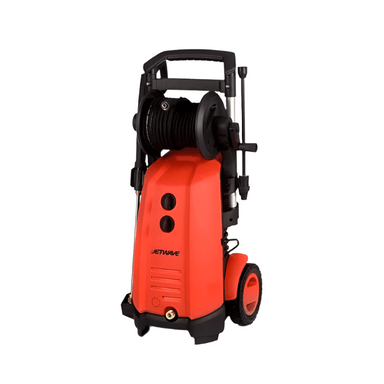
We stock cold water electric pressure cleaners from Jetwave and Lavorwash, commonly used in workshops, warehouses, car wash bays, hospitality venues, and healthcare settings across Australia. Not sure which model suits your pressure and flow rate requirements? Give us a call and we'll help you find the right fit before you order.

Choosing the Right Cold Water Electric Pressure Washer for Your Business

Cold water electric pressure cleaners are the right choice for a specific set of applications — and the wrong choice for others. Understanding where they excel and where they fall short saves you from buying a machine that won't perform the way you need it to.

Where Electric Pressure Washers Excel

The three practical advantages of electric over petrol or diesel are noise, emissions, and maintenance. Running at significantly lower decibel levels than petrol equivalents, electric machines can operate in occupied spaces — hotel car parks, hospital loading docks, food service facilities, and indoor workshops — without disrupting operations or breaching noise requirements. Zero emissions means no fume concerns in enclosed or partially enclosed spaces. And without an engine, there are no oil changes, spark plugs, air filters, or fuel systems to manage — maintenance is largely limited to pump care and keeping the machine clean.

PSI and Flow Rate — Matching the Machine to the Job

Cold water electric pressure cleaners in the commercial range typically operate between 1500 and 3000 PSI with flow rates of 10–20 LPM. For general surface cleaning — vehicle washing, concrete yards, building exteriors, and workshop floors with light contamination — 2000–2500 PSI handles the job well. For heavier industrial applications with compacted dirt and grime, the higher end of the commercial electric range or a petrol alternative may be more appropriate. Flow rate matters as much as PSI for large surface areas — higher LPM means faster coverage and better flushing of loosened debris.

Power Supply Considerations

Electric pressure cleaners require a suitable power outlet within reach — the cord length on commercial units typically runs 5–10 metres, and a quality extension rated for the machine's amperage can extend that. For most commercial facilities this is straightforward. For outdoor areas, remote sections of a property, or any location without reliable power access, petrol or diesel units are the more practical choice. Most commercial electric pressure cleaners in the Jetwave and Lavorwash range require a standard 240V 15-amp outlet — check the specific model's requirements before purchasing if your outlet configuration is non-standard.

Cold Water vs Hot Water Electric

Cold water handles general surface dirt, dust, and light contamination effectively. For applications involving grease, oil, food residue, or biological contamination — commercial kitchens, food processing, automotive workshops — a hot water electric unit delivers significantly better results. The heat breaks down these contaminants faster than cold pressure alone. If your cleaning application regularly involves these types of contamination, the hot water electric range is worth comparing before deciding.

Not sure whether cold or hot water suits your application, or which PSI suits your workload? Give us a call on 1300 404 226 and we'll help you work it out before you order.

Frequently Asked Questions — Cold Water Electric Pressure Washers

What are the advantages of electric over petrol pressure washers?

Electric pressure washers run quietly, produce zero emissions, and require significantly less maintenance than petrol models — no oil changes, spark plugs, or fuel system management. They're the practical choice for indoor use, noise-sensitive environments, and any application where fumes are a concern. The trade-off is cord dependency — you need a power outlet within reach, which limits where they can operate compared to petrol or diesel units.

Can electric pressure washers be used indoors?

Yes — this is one of their primary advantages over petrol and diesel alternatives. Zero emissions mean no fume concerns in enclosed or partially enclosed spaces. Low noise levels make them suitable for occupied environments like hotels, healthcare facilities, food service venues, and workshops where petrol machines would be disruptive or prohibited. Ensure appropriate drainage is available for the water used and that the electrical setup is safe for wet environment use before operating indoors.

What PSI do I need for commercial electric pressure cleaning?

For general commercial cleaning — vehicle washing, building exteriors, concrete surfaces, and workshop floors with light to moderate contamination — 2000–2500 PSI handles most applications well. For heavier contamination or more demanding surfaces, 2500–3000 PSI in the upper commercial electric range delivers better results. Flow rate is equally important — higher LPM means faster coverage and better flushing of loosened debris on large surface areas. Give us a call with your specific application and we'll recommend the right combination.

Do electric pressure washers require special electrical connections?

Most commercial electric pressure washers in the Jetwave and Lavorwash range operate on standard 240V supply. Some higher-powered commercial units require a 15-amp outlet rather than a standard 10-amp — check the specific model's requirements before purchasing if your outlet configuration is non-standard. For wall-mounted fixed installations like the Lavorwash Wallmount range, three-phase power is required. If you're unsure about your electrical setup, have a licensed electrician confirm compatibility before installation.

What maintenance do electric pressure washers require?

Electric pressure washers are significantly lower maintenance than petrol or diesel equivalents. Without an engine, there are no oil changes, spark plugs, air filters, or fuel systems to manage. Maintenance largely involves keeping the pump in good condition — running clean water through the machine after use in sandy or gritty environments, checking and replacing pump oil at the manufacturer's specified intervals, and inspecting seals and O-rings periodically. Storing the machine protected from freezing temperatures prevents damage to pump components.

Can cold water electric pressure washers remove grease and oil?

Cold water pressure at sufficient PSI can shift surface grease and oil, particularly when a degreaser chemical is applied through the machine's downstream injector before rinsing. For heavy grease and oil buildup — engine bays, workshop floors with oil accumulation, food processing surfaces — a hot water electric unit delivers significantly better results as heat breaks down these contaminants at a molecular level. For general commercial applications with light grease contamination, cold water with downstream chemical injection handles the job effectively.

What is the difference between the Jetwave and Lavorwash electric pressure washer ranges?

Jetwave is an Australian-designed brand built specifically for Australian commercial and industrial conditions — their electric range covers portable units suited to mobile and on-site use. Lavorwash is an Italian-engineered brand with a strong commercial reputation — their range includes the Wallmount series of fixed wall-mounted pressure washers specifically designed for wash bays, workshops, and facilities with permanent cleaning stations. The right choice depends on whether you need a portable unit or a fixed installation. Give us a call and we'll compare the specific models that suit your application.


Aussie Wide Shipping

Fast and competitive

Lifetime Support

Product lifetime support

Spare Parts

We source spare parts

Buying in Bulk?

Request a quote