
CALL US TODAY FOR BEST PRICES, FAST QUOTES AND GREAT DISCOUNTS: 1300 404 226
CALL FOR BEST PRICES: 1300 404 226
Skip to content

Filters

Water Damage Restoration Equipment

Water damage restoration moves in stages — extraction first, then drying, then air purification. Getting the right equipment on site quickly at each stage is what determines how much secondary damage occurs. We stock professional water damage restoration equipment from renowned brands — water extractors, air movers, dehumidifiers, and HEPA air scrubbers — used by restoration contractors and remediation specialists across Australia. Not sure how to spec the right kit for a job? Give us a call and we'll help you work through it.

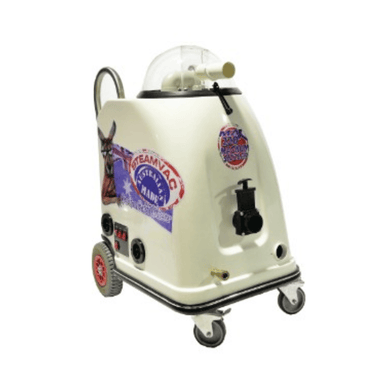
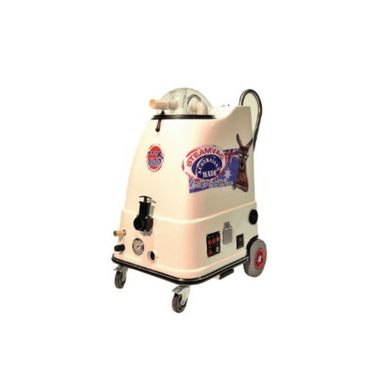
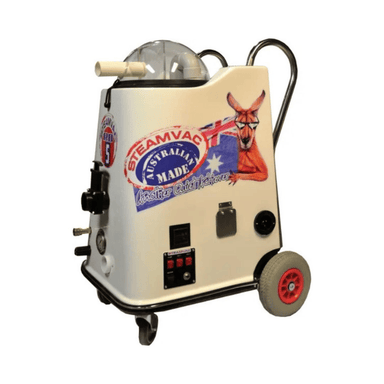
  • Steamvac RD5 Steam Cleaner with Australian branding on a white background
    Save $404.00
    Steamvac

    SteamVac RD5 Steam Cleaner

    Original Price $6,399.00
    Current Price $5,995.00

    If you’re looking for a professional-grade steam cleaner built to last, the Steamvac RD5 Steam Cleaner delivers unmatched reliability, power, and p...

    View full details
Water Damage Restoration Equipment — The Complete Kit

Effective water damage restoration requires the right equipment at each stage of the drying process. Skipping stages or using the wrong equipment for a stage is how jobs come back — mould develops in structural cavities that weren't dried properly, or carpet that felt dry still had moisture in the underlay. Here's how the equipment maps to each stage.

Stage 1 — Water Extraction

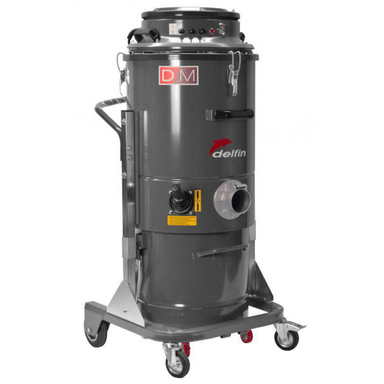
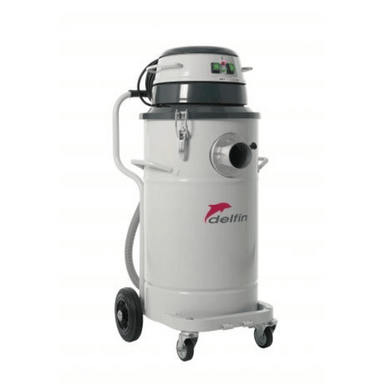
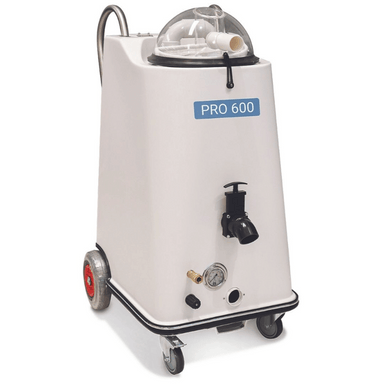
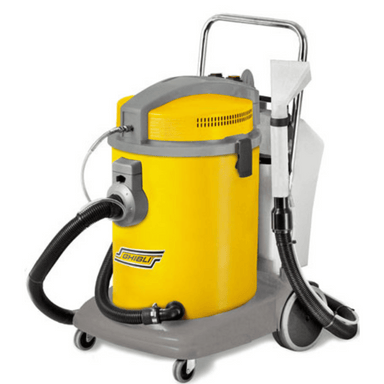
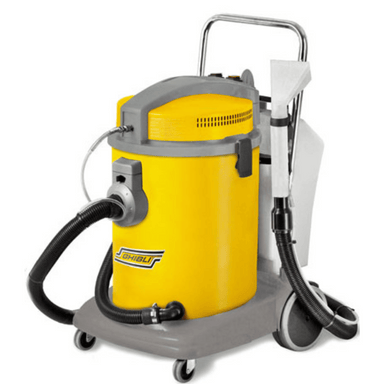
Remove bulk water first before air movers or dehumidifiers can work effectively. Professional carpet extractors with high water lift and large recovery tanks do this significantly better than standard wet and dry vacuums. Machines with dual or triple motors maintain extraction performance even as the tank fills. For hard floor flooding, wet and dry vacuums with large stainless steel tanks handle high volumes efficiently. The Ghibli V-M9P, Cleanstar EX-FACTOR, and Steamvac extractors in this collection are the primary extraction tools.

Stage 2 — Air Movement

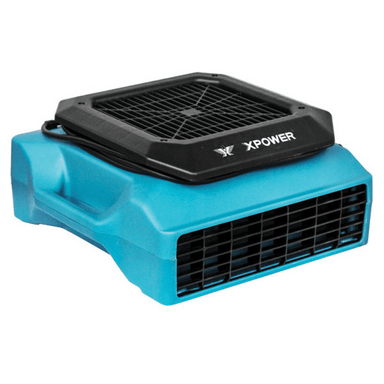
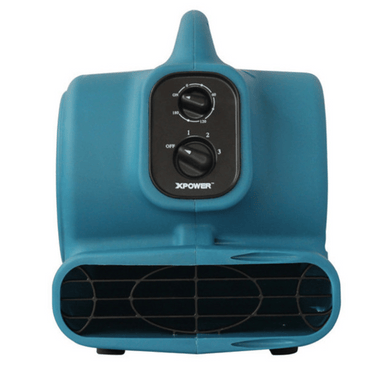
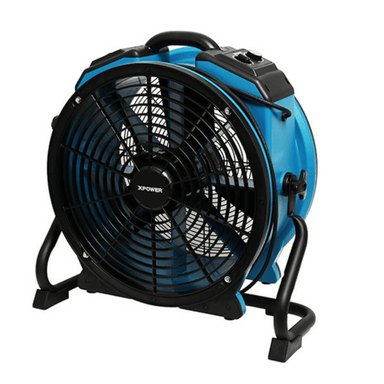
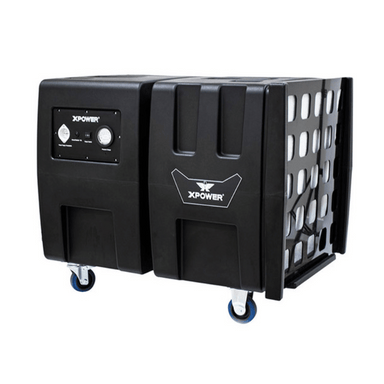
Once bulk water is removed, air movers accelerate evaporation by directing high-velocity air across wet surfaces — carpet, flooring, walls, and subfloor. Air movers work in combination with dehumidifiers: the air mover drives moisture into the air, the dehumidifier removes it. The XPOWER range in this collection covers compact low-profile models for under-carpet drying through to high-output axial units for larger commercial spaces. Industry guideline: one air mover per 10–15m² of affected area as a starting point, adjusted for saturation level and material type.

Stage 3 — Structural Drying and Humidity Control

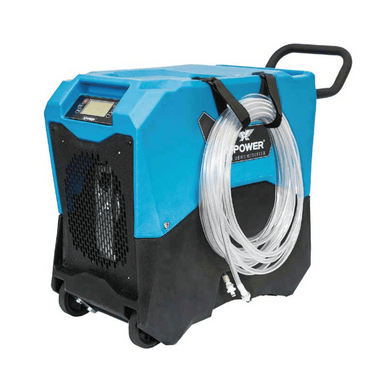
Dehumidifiers extract moisture from the air as evaporation occurs, driving the actual drying of structural materials. Without adequate dehumidification, air movers simply move humid air around without achieving meaningful moisture removal from the structure. LGR (Low Grain Refrigerant) dehumidifiers maintain efficiency at lower humidity levels — critical in the final stages of drying when ambient humidity has already dropped but structural moisture content is still elevated. The Thorair commercial dehumidifiers in this collection cover the range from single-room through to large commercial drying applications.

Stage 4 — Wall Cavity Drying

Moisture trapped inside wall cavities, behind skirting boards, and between structural elements requires a different approach to surface drying. The XPOWER Viking Pressurised Wall Cavity Dryer injects high-velocity air directly into wall cavities through small access holes, drying structural timber and insulation from the inside without demolition. Where cavity moisture is left untreated, mould growth follows within days — the Viking addresses this without the cost and disruption of opening walls.

Stage 5 — Air Quality and Post-Remediation

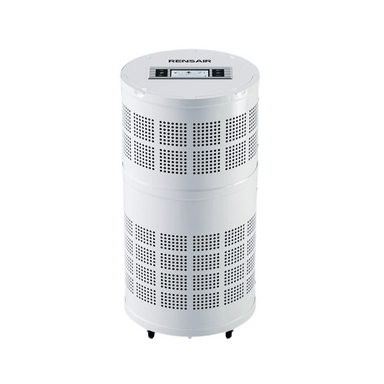
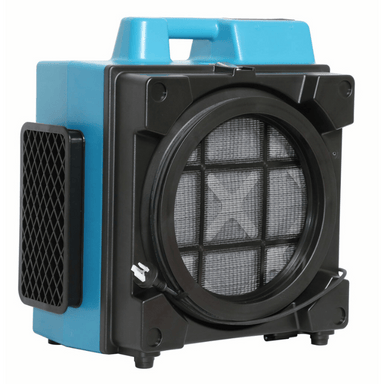
HEPA air scrubbers run continuously during active restoration work to capture airborne particulates — mould spores, demolition dust, and fine contaminants. The Rensair Q01B with H14 HEPA and UV-C treatment is the appropriate ongoing air quality solution for occupied spaces once restoration is complete. Fogging with antimicrobial solution treats residual contamination on surfaces after the physical work is done.

Frequently Asked Questions — Water Damage Restoration Equipment

How quickly does mould develop after water damage?

Mould can begin developing within 24 to 48 hours in warm, humid conditions — which is exactly the environment water damage creates. The first 24 hours are the most critical window for getting extraction and drying equipment on site and running. Every hour of delay increases the risk of mould establishing in carpet, underlay, wall cavities, and structural materials.

What is the difference between an LGR dehumidifier and a standard commercial dehumidifier?

Standard refrigerant dehumidifiers lose efficiency as ambient humidity drops below 40–50% — exactly when you need them to keep working in the final stages of structural drying. LGR (Low Grain Refrigerant) dehumidifiers use a pre-cooling process that maintains moisture extraction efficiency at much lower humidity levels, continuing to pull meaningful water from the air even as conditions become drier. For professional restoration work, LGR is the industry standard specification for this reason.

How many air movers do I need?

The general guideline is one air mover per 10–15m² of affected floor area, adjusted for saturation level, carpet type, and ambient conditions. For a standard residential room with moderate water damage, 3–4 air movers is a common starting configuration. For commercial spaces or heavily saturated areas, scale up accordingly. Pair air movers with one LGR dehumidifier per 2–3 air movers for effective moisture removal from the air. Give us a call with your job details and we'll help you work out the right configuration.

Do I need a wall cavity dryer?

On any job where water has entered wall cavities — from flooding, pipe bursts, or storm damage — a wall cavity dryer is the correct tool for drying structural materials from the inside without demolition. Surface air movers dry what they can reach. Moisture trapped inside cavities without treatment creates the conditions for mould growth within days regardless of how dry the surface appears. A moisture meter reading elevated levels in walls after surface drying is the key indicator that cavity drying is needed.


Aussie Wide Shipping

Fast and competitive

Lifetime Support

Product lifetime support

Spare Parts

We source spare parts

Buying in Bulk?

Request a quote